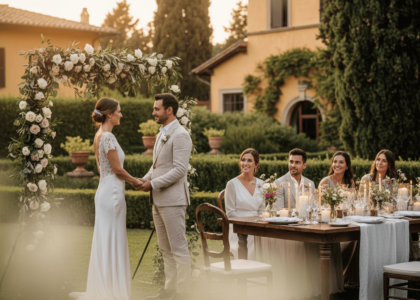
In the evolving landscape of the global wine market in 2026, private label projects have shifted from mere cost-effective alternatives to drivers of brand innovation and consumer loyalty. Among the varietals commanding attention, Italian Cabernet continues to hold a prestigious position due to its versatility and global recognition. However, for retailers and distributors, the challenge lies in selecting a profile that balances quality with commercial viability. This analysis explores the strategic advantage of adopting the ‘tinello cabernet‘ style—a nod to the accessible, food-friendly tradition of Italian table wines—reimagined for modern private label portfolios. We will examine the structural integrity, sourcing dynamics, and branding potential of this specific wine category.
The evolution of italian cabernet in the 2026 market
By 2026, the international wine landscape will have fully transitioned from regarding private labels as mere “entry-level” options to viewing them as strategic, premium branding assets. This shift is particularly evident in the European and North American markets, where retailers and distributors are seeking wines that deliver a specific narrative rather than just a competitive price point. According to recent market insights from NielsenIQ, the global rise of private labels is driven by consumers who increasingly trust retailer brands to curate quality. This trust allows importers to dictate stylistic direction with greater precision. Consequently, the demand for Italian Cabernet—both Sauvignon and Franc—is evolving away from the international, hyper-premiumized styles of the past decade.The era of heavy oak dominance is ending. Modern consumers are fatigued by standardized, over-extracted wines that mask the grape’s identity. Instead, the 2026 market favors:
- Distinct Terroir Character: Wines that taste like they come from a specific Italian region, offering savory notes and mineral complexity.
- High Approachability: Structures that are polished and elegant, ready to drink without years of cellaring.
- Versatility: Wines that pair easily with diverse cuisines. This brings us to the resurgence of a style we might call the tinello cabernet. This concept reflects a return to the authentic Italian tradition of the “dining room” wine—sophisticated enough for critical appreciation but fundamentally designed for the table. It represents a Cabernet that balances fruit integrity with the savory, herbal edge typical of Italian viticulture. For private label projects, this means sourcing wines that prioritize balance over power. Whether working with the herbaceous lift of Cabernet Franc or the structured elegance of Cabernet Sauvignon, the goal is to deliver a product that feels tailored and exclusive, yet remains inviting to the modern palate.
Defining the tinello cabernet profile for mass appeal
When we discuss the concept of tinello cabernet within the context of private label projects, we are defining a specific stylistic tier rather than a mere geographical location. In Italian culture, the *tinello* is the informal dining room, the heart of domestic life where meals are shared daily. Translating this into oenology, a “Tinello-style” wine represents an honest, unpretentious product designed for consistency and high drinkability. The organoleptic profile of this wine is engineered for mass appeal. Visually, it presents a vibrant ruby red color, signaling youth and freshness. The bouquet stays true to the varietal identity, offering the signature herbaceous notes and green pepper hints typical of Cabernet, but softened by ample red fruit aromas. The structure is the key differentiator here: while it maintains a decent body, the focus is on soft tannins and moderate acidity. Why is this specific profile the perfect hook for retail and HoReCa?
- Immediate Readiness: unlike complex reserves, this profile does not require years of aging, allowing for faster time-to-market.
- Versatility: it pairs effortlessly with a wide range of foods, making it the ideal candidate for a reliable “House Wine.”
- Consumer Confidence: it bridges the gap between the prestige of an international grape and the comfort of a daily staple. For buyers, selecting a tinello cabernet profile means investing in a product that promises reliability. It satisfies the consumer’s desire for a robust, recognizable wine that fits seamlessly into their daily routine, driving repeat purchases through sheer approachability.
Structural integrity and logistics for global distribution
Creating a successful private label wine requires more than just an appealing sensory profile; it demands resilience. When exporting globally, your product faces temperature fluctuations, vibrations, and extended transit times. Consequently, the chemical structure of the wine becomes a non-negotiable asset for preserving your brand’s reputation.
For a Cabernet intended for export, specific analytical parameters must be met to ensure long-term stability. Adequate acidity levels and balanced alcohol content act as natural preservatives, rigorously protecting the wine against oxidation and microbial spoilage. This structural integrity is particularly pronounced in Venetian Cabernet, where the specific terroir imparts a natural hardiness to the grape, ensuring it remains chemically stable from the winery to the final destination.
This reliability is crucial when analyzing the suitability of the wine for modern supply chain methods. Whether you are managing high-volume wholesale fulfillment or a direct-to-consumer dropshipping model, the risk of “bottle shock” or variation must be minimized. The robust nature of a tinello cabernet style profile ensures that the wine maintains its distinct organoleptic properties, even when subjected to the stress of diverse logistics channels.
Furthermore, this stability opens doors for flexible packaging solutions. A chemically sound Cabernet performs exceptionally well not just in glass, but also in alternative formats like Bag-in-Box, which is increasingly popular for logistics efficiency. By selecting a wine with verified structural integrity, you effectively immunize your supply chain against quality complaints, ensuring the product arrives in the customer’s glass exactly as the winemaker intended.
Packaging versatility: from glass to bag-in-box
When defining the identity of a private label project, packaging is the primary interface between the brand and the consumer. While the traditional glass bottle remains the gold standard for premium retail placement, the structural resilience of the tinello cabernet style opens the door to versatile and strategic applications. As we look toward the market landscape of 2026, we are witnessing a decisive shift.
There is a booming demand for premium Bag-in-Box (BiB) and keg formats, particularly within the on-trade sector and among eco-conscious demographics. Gone are the days when alternative packaging signaled lower quality; today, it represents a smart intersection of sustainability and convenience. This specific Cabernet profile performs exceptionally well in these modern formats. Its robust structure and natural stability ensure that the wine maintains its freshness and aromatic integrity over time, resisting the micro-oxygenation challenges that can affect more fragile varietals. Adopting alternative packaging for this wine style offers distinct branding advantages:
- Extended Freshness: Advanced BiB technology prevents oxidation after opening, guaranteeing a perfect pour for weeks, which is a massive selling point for consumers.
- Sustainability: Lighter packaging significantly reduces the carbon footprint of logistics, aligning your brand with the values of the modern, green-focused buyer.
- Operational Efficiency: For HoReCa partners, kegs offer speed and consistency, reducing waste and maximizing service margins. By leveraging the adaptability of the tinello cabernet, you can confidently diversify your product line, offering a sophisticated bottle for the shelf and a high-performance alternative format for the volume market.
Sourcing from veneto: where tradition meets efficiency
When selecting a source for high-volume private label projects, the Veneto region stands out as more than just a scenic backdrop; it is a strategic powerhouse for viticulture. This area offers a unique intersection where centuries-old agricultural heritage adapts seamlessly to modern market demands. For a buyer, this means accessing a supply capable of delivering consistent quality at scale, avoiding the batch variations that often plague smaller, fragmented production zones. The specific style of Cabernet produced here strikes a commercially viable balance: structured yet approachable.
It captures the essence of a classic tinello cabernet—a term evoking the authentic, reliable wine traditionally found on Italian dining tables, now refined for international palates. Sourcing from this region ensures your product carries a narrative of authenticity while meeting rigorous technical standards. However, geography is only half the equation. The reliability of your private label project depends entirely on the stability of the producer. Partnering with established, multi-generational wine families provides a safety net that spot-market sourcing cannot match. These producers do not merely buy grapes; they possess a deep, historical understanding of the terroir and have refined their processes over decades. To guarantee long-term success, it is crucial to work with partners who maintain full control of the supply chain. This means:
- Direct oversight of vinification to ensure flavor consistency.
- Internal management of bottling and packaging.
- Integrated logistics to prevent supply disruptions. When a producer manages every step from the vineyard to the warehouse, the risks associated with third-party dependencies vanish. This integration allows tradition to function with industrial efficiency and precision, ensuring that the wine in the bottle matches the promise on the label, shipment after shipment.
Strategic branding and label design for cabernet lines
Creating a market-leading private label requires ensuring the visual identity aligns perfectly with the liquid inside. When positioning a tinello cabernet, the goal is to evoke the specific atmosphere of the Italian dining room: warmth, conviviality, and everyday elegance. The design must promise an experience before the cork is even drawn, acting as the primary driver of consumer interest in a crowded retail environment. Translating the “Tinello” concept into a tangible label involves a strategic choice between two distinct visual paths:
- Rustic and Traditional: Utilizing textured paper, classic serif typography, and etched illustrations of vineyards creates a sense of heritage. This appeals to consumers seeking history and reliability, signaling a wine rooted in time-honored Italian tradition.
- Modern and Minimalist: Clean lines, bold color palettes, and plenty of negative space position the wine as a contemporary lifestyle choice. This approach often resonates with younger demographics looking for a versatile, accessible wine that fits a modern aesthetic. Your target demographic dictates this direction. A tinello cabernet is inherently versatile, bridging the gap between the connoisseur looking for varietal structure and the casual drinker seeking a reliable table wine. Therefore, the brand story must thread the needle between Italian authenticity and mass-market accessibility. It should not be intimidating; rather, it should invite the consumer into the Italian way of life. We believe that a cohesive brand narrative is what ultimately drives desire. When the visual elements—from the capsule color to the font weight—work in harmony, the bottle becomes a silent salesman. By meticulously crafting a design that reflects the honest, robust nature of the wine, we help you visualize a final product that not only sits on the shelf but commands attention and encourages the purchase.
Selecting the right partner for fulfillment and compliance
To transform a high-potential Italian Cabernet into a successful private label brand, the liquid inside the bottle is only half the battle. The operational reality—getting that bottle from the winery to the customer—is where market position is truly secured. When you enter the execution phase of your project, selecting a manufacturing partner requires a strict evaluation of their operational infrastructure and compliance expertise. Your ideal partner must offer more than just production capacity; they must provide integrated full-service capabilities. This is critical because international wine trade is governed by rigid and complex regulations. A partner with deep knowledge of label design compliance ensures that your branding is not only aesthetically compelling but also strictly adherent to the legal requirements of your target market. This prevents the disastrous scenario of goods being held at the border due to labeling errors.
Furthermore, you must assess their ability to handle flexible volume management. A dynamic private label strategy often involves varied SKUs, ranging from premium reserves to a high-rotation tinello cabernet intended for daily consumption. Your logistics partner must be agile enough to manage these different streams, offering solutions that accommodate both small-batch exclusivity and large-scale wholesale demands without friction. Key criteria for your checklist should include:
- Customs Handling: Proven expertise in navigating export documentation and duty requirements to ensure smooth cross-border flow.
- Scalable Logistics: The ability to grow with your brand, supporting everything from bulk shipments to precise dropshipping fulfillment.
- Regulatory Support: Proactive guidance on changing import laws to keep your product viable in foreign markets. Ultimately, for a private label to succeed, the backend logistics must be as flawless as the winemaking. A partner who masters the supply chain protects your margins and ensures your Italian Cabernet reaches the consumer exactly as intended: on time and compliant.
Conclusion
Launching a private label wine line requires a delicate balance between product quality, supply chain efficiency, and market positioning. The tinello cabernet style offers a unique opportunity to provide consumers with an authentic, versatile Italian wine experience that fits perfectly into daily life. By leveraging the structural robustness of Venetian Cabernet and partnering with experienced producers capable of managing complex logistics and design, businesses can create a lasting brand asset. As the 2026 market demands transparency and value, this approachable yet distinct wine profile stands out as a strategic choice for growth.